
Daily Maintenance Tips for Dough Mixers?
Jun 01,2026
287
As core equipment for pastry production, dough mixers can greatly boost processing efficiency while delivering smooth, chewy dough with consistent texture. Mechanically speaking, they are precision transmission machines that demand regular daily upkeep. This article covers maintenance methods, key points for deep servicing, common maintenance errors and protective skills, delivering a comprehensive equipment maintenance solution for all types of users.
The core maintenance principles can be summarized as timely cleaning, standardized lubrication, regular inspections and proper storage. Maintenance work should run through the entire lifecycle of the machine, covering pre-operation, in-operation and post-operation stages. Meanwhile, daily basic maintenance must be distinguished from periodic deep servicing to achieve refined, routine management and eliminate equipment malfunctions and sanitary risks at the source.
1. Pre-operation Preparatory Maintenance to Secure Operational Safety
Many users overlook maintenance checks before starting the machine, yet preliminary preparation is critical to preventing operational faults and guaranteeing safe handling. Before every operation, complete basic inspections and simple cleaning to avoid running the mixer with hidden defects.
First, cut off the power supply and conduct a visual inspection. Check the machine casing, mixing paddles and mixing bowl for integrity, looking out for deformation, cracks and rust. Pay close attention to the fastening bolts of mixing paddles; tighten any loose bolts right away to stop parts from falling off or producing rattling noises during operation. In addition, examine the power cord, plug and power switch for damage, aging or leakage risks. All electrical components must be kept dry and free of water to prevent electrical accidents.
Next, carry out pre-use cleaning preparation. Wipe the inner wall of the mixing bowl and the surface of mixing paddles with a clean, dry soft cloth to remove dust, floating dirt and leftover flour accumulated during standby periods. Do not wipe the electric control panel with a damp cloth, as water seepage may trigger circuit short circuits. For mixers left idle for a long time, check internally for dampness, mold and pest infestation in advance. If necessary, gently wipe all internal surfaces with 75% medical alcohol for disinfection, and wait until everything dries completely before putting the machine into use. Finally, inspect the transmission components, including bearings, gears and belts, to see if they move smoothly without jamming or strange sounds. Once all checks pass, run the machine empty for 1 to 2 minutes to confirm stable rotation, then add raw materials to start kneading dough.
2. Standardized Operation During Use to Cut Equipment Wear
Correct operating practices represent the most fundamental form of maintenance. Improper operation will drastically accelerate machine wear and cause irreversible damage. During operation, strictly abide by the rated parameters of the mixer and never overload it. Do not exceed the maximum flour capacity marked on the device. Excessive raw materials will overburden the motor and strain transmission belts, and long-term overloading may lead to motor burnout, gear breakage or deformed mixing paddles. Moreover, avoid prolonged dry running without dough; feed materials promptly after the empty test run to prevent extra wear caused by continuous friction between paddles and the empty bowl.
If you need to add water, yeast, oil or other auxiliary ingredients during kneading, pour them slowly at low speed. Never dump a large amount of liquid at once, as splashes may seep into casing gaps, motor heat vents and transmission parts, resulting in rust or circuit failures. If abnormal conditions such as odd noises, violent shaking or mechanical jams occur while the machine is running, cut the power and stop the mixer immediately. Do not force the machine to operate. Wait until all moving parts come to a full stop, then troubleshoot blockages from foreign objects or loose components. Resume operation only after all faults are fixed. Besides, never reach hard tools or solid objects into the rotating mixing bowl. This rule protects your personal safety and prevents scratches on the bowl, damaged mixing paddles and destruction of the machine’s precise mechanical structure.
3. Timely Post-use Cleaning to Eliminate Sanitary and Corrosion Risks
Immediate cleaning after each use sits at the heart of daily dough mixer maintenance. Flour easily sticks, ferments and grows mold when exposed to water. Long-term buildup of dough residue and scale not only breeds bacteria and mold, contaminating future batches of dough, but also hardens into crusts that abrade mixing components, clog transmission gaps and speed up overall machine aging. All cleaning work must be carried out after the power is fully disconnected and the machine stops completely, and all safety cleaning regulations must be followed closely.
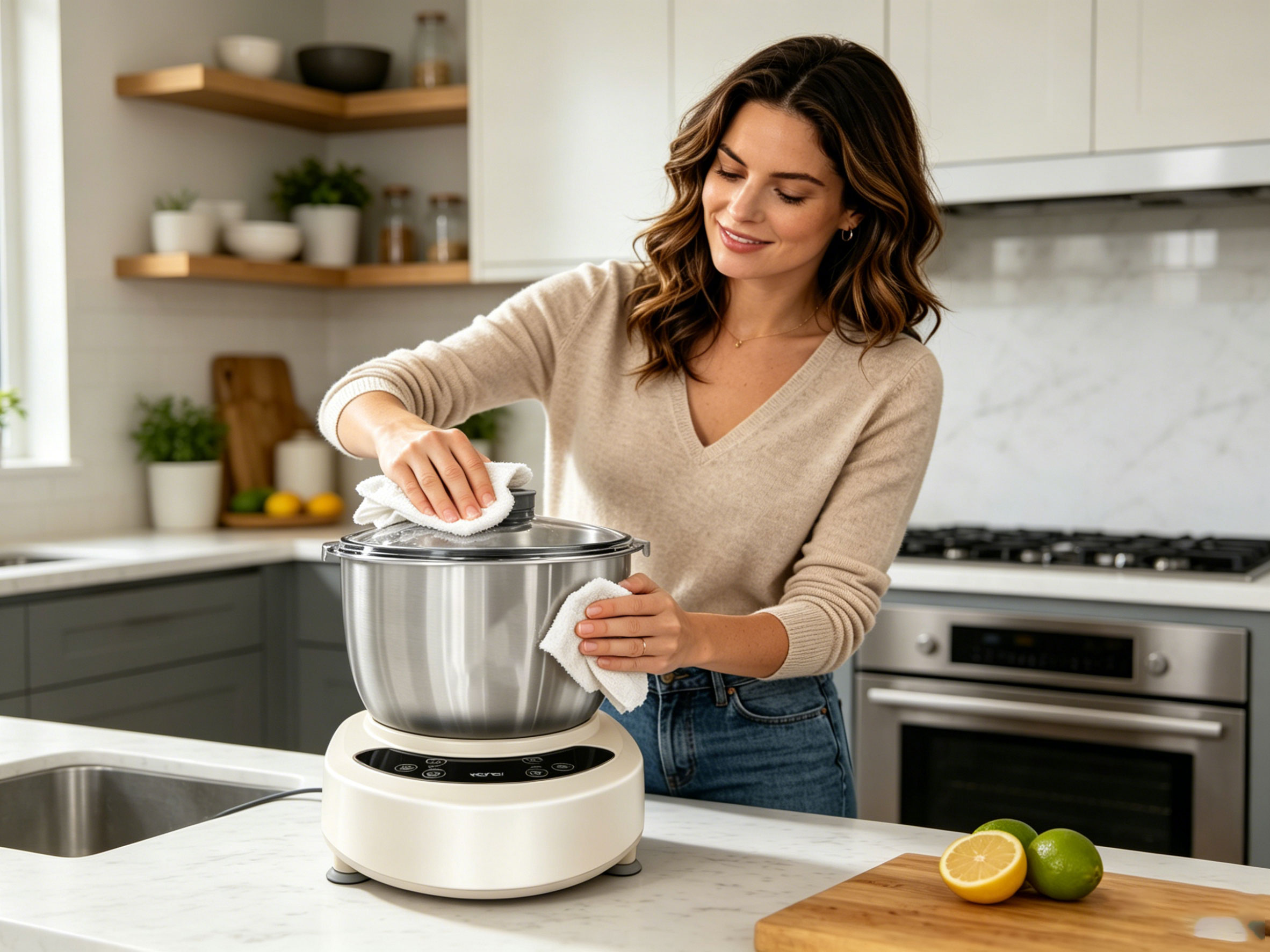
Prioritize dry cleaning at the start of the process. Gently scrape off dough residues on the mixing bowl and paddles using wooden scrapers, bamboo strips or soft silicone squeegees to stop leftover dough from drying and hardening. Never use steel wool, utility knives, metal shovels or other hard tools for residue removal, as they will scratch the stainless steel bowl and paddle surfaces. Damaged paint and stainless steel layers are highly susceptible to rust and persistent dough adhesion once damp. After dry cleaning, wash the bowl interior and hidden gaps on mixing paddles with warm water mixed with food-grade neutral detergent, paired with soft brushes and cloths. For stubborn dried dough scale, soak the parts in warm water for 3 to 5 minutes before wiping lightly, and refrain from aggressive scrubbing.
Once cleaning finishes, wipe away all detergent residue with clean water and dry every component thoroughly with a dry rag to ensure no standing water or cleaning agent remains on bowls and paddles. Commercial mixers may be disinfected in compliance with food safety standards: wipe inner surfaces with 50–100 ppm chlorine disinfectant or 75% alcohol, leave the disinfectant to work for five minutes, then wipe and air-dry fully to guarantee food processing hygiene. Wipe dust and oil stains off the machine exterior, motor housing and heat vents with a dry cloth. Clear dust blocking heat vents with a soft brush to maintain proper motor heat dissipation. Under no circumstances should you rinse the whole machine, motor, control panel or transmission parts with running water, since water infiltration inside the equipment will lead to short circuits, rust and seized bearings.
4. Periodic Deep Servicing to Extend the Machine’s Service Life
Routine cleaning and maintenance can only sustain the machine’s basic working condition. To maintain stable long-term performance, carry out regular deep servicing based on usage frequency, with a focus on lubrication, component inspection and oil stain removal. Household mixers can receive monthly deep maintenance, while heavily used commercial machines require servicing every two weeks or once a week.
Lubrication is the most vital part of maintenance for transmission machinery. Core transmission parts of dough mixers, such as bearings, gears, drive chains and belt pulleys, suffer wear from continuous rotation. Regular application of food-grade grease and lubricating oil can greatly reduce frictional loss and guarantee smooth operation. Refill the oil cups of bearing seats on a routine basis, apply special lubricating grease to gear meshing areas every two weeks, and wipe oil grime off chains and pulleys before adding a small amount of lubricant. Note that only food-grade dedicated lubricants are allowed; industrial lubricants are forbidden to avoid contaminating dough and endangering human health. Also avoid over-lubrication, as dripping grease will stick to flour and trap dust.
Perform regular component inspections and adjustments every week. Check the tension and wear of transmission belts and chains weekly. Adjust slack belts and loose chains in a timely manner, and replace any parts showing aging, cracks or severe wear to prevent slipping or snapping during operation. Examine the clearance between mixing paddles and the mixing bowl monthly, adjusting any offsets to avoid uneven dough kneading and heightened frictional wear. Inspect all fastening bolts and nuts across the machine one by one; long-term vibration loosens fasteners, so retighten them to stop component shaking, rattling noises or detachment. Replace aged sealing rings and gaskets as needed to block dust and moisture from entering the machine’s interior.
In addition, regularly clear accumulated oil grime and flour dust trapped inside the machine, especially around motor heat dissipation areas and transmission gaps, to prevent debris buildup from disrupting heat dispersion and mechanical movement. Check the oil level of the reducer and top up with special engine oil when levels run low to ensure the reduction system functions normally. For machines in year-round heavy use, remove the mixing paddles once per quarter to deep-clean residual impurities lodged in bearing gaps and inspect bearing wear, eliminating all hidden operational risks comprehensively.
5. Scientific Storage and Seasonal Maintenance to Avoid Idle-time Damage
Maintenance during idle storage is equally essential for dough mixers. Most machine damage stems not from operational wear, but improper long-term storage that leads to damp rust, heavy dust accumulation and premature component aging. After use, once the machine is cleaned and fully dried, place it on a flat, dry and well-ventilated countertop. Keep it away from humid spaces, cooking fumes and acidic or alkaline corrosive substances, and avoid prolonged direct sunlight, which causes fading of machine paint, cracking of plastic parts and rust on metal components.
If the mixer will remain unused for an extended period, complete a full deep clean and let all parts dry thoroughly. Then apply a thin layer of food-grade anti-rust lubricating grease to metal transmission components including mixing paddles, bearings and gears to isolate air and water vapor and prevent rust and mechanical seizure. Cover the entire machine with a dust cover to block dust, insects and moisture. During storage, run the machine empty for 2 to 3 minutes once a month to keep transmission parts moving freely and avoid solidified lubricant and seized components caused by prolonged static storage. Before reusing the machine after seasonal storage, remove the dust cover, fully clean the device, recheck lubrication levels, and complete a successful empty test run before formal operation.
6. Common Maintenance Misconceptions and Fault Prevention
Many users adopt incorrect maintenance habits that accelerate machine damage, so it is necessary to steer clear of all common maintenance mistakes. First, never rinse the entire mixer with running water or submerge it in water; water contact with electrical parts is the leading cause of circuit short circuits and equipment breakdowns. Second, avoid hard cleaning tools for removing dough scale, as scratches on machine surfaces will lead to rust. Third, never use industrial lubricants interchangeably with food-grade lubricants—food-safe lubrication products must be used to protect food safety. Fourth, do not operate the machine with existing faults or loose components; minor hidden defects will develop into serious malfunctions over time and drive up repair costs significantly.
Meanwhile, implement proactive fault prevention. If you notice abnormal running noises, inconsistent kneading strength, unusual machine shaking or excessively fast motor heating during daily use, shut down the machine for inspection at once and never run it with known defects. Consistent standardized maintenance can effectively avoid common issues such as burnt-out motors, seized transmissions, rusted components and substandard food sanitation, keeping the mixer in peak working condition at all times.
The four core maintenance links of daily dough mixer care—cleaning, lubrication, inspection and storage—complement one another and run through the machine’s full service cycle. Whether you own a small household mixer or a large commercial dough kneader, only by sticking to standardized maintenance, avoiding operational errors and carrying out periodic inspections can you unlock the full performance potential of the equipment and drastically cut down the chance of malfunctions.