
What size dough mixer for home use?
Sep 15,2026
13
Are you still wondering which size dough mixer to pick? Small models work well for ordinary households. If you have a sufficient budget, you can get a larger one as backup. If your family rarely makes pasta in the long run, purchasing one is not recommended to cut household expenses.
You don’t need to get stuck on complicated parameters when selecting the capacity of a dough mixer. The key factors are household size and the amount of dough you prepare at one time. Pick the right match, and you can avoid common purchasing mistakes.
For single dwellers or couples (1-2 people), opt for the 3L–4L mini model. This size suits small batches of homemade dough. It can knead 1 to 1.5 jin of dough per time, perfect for dumplings, small batches of noodles or steamed buns. Compact and space-saving, it runs quietly with low power consumption. It solves the pain point that large mixers fail to form dough when handling tiny portions, meeting daily needs without wasting performance.
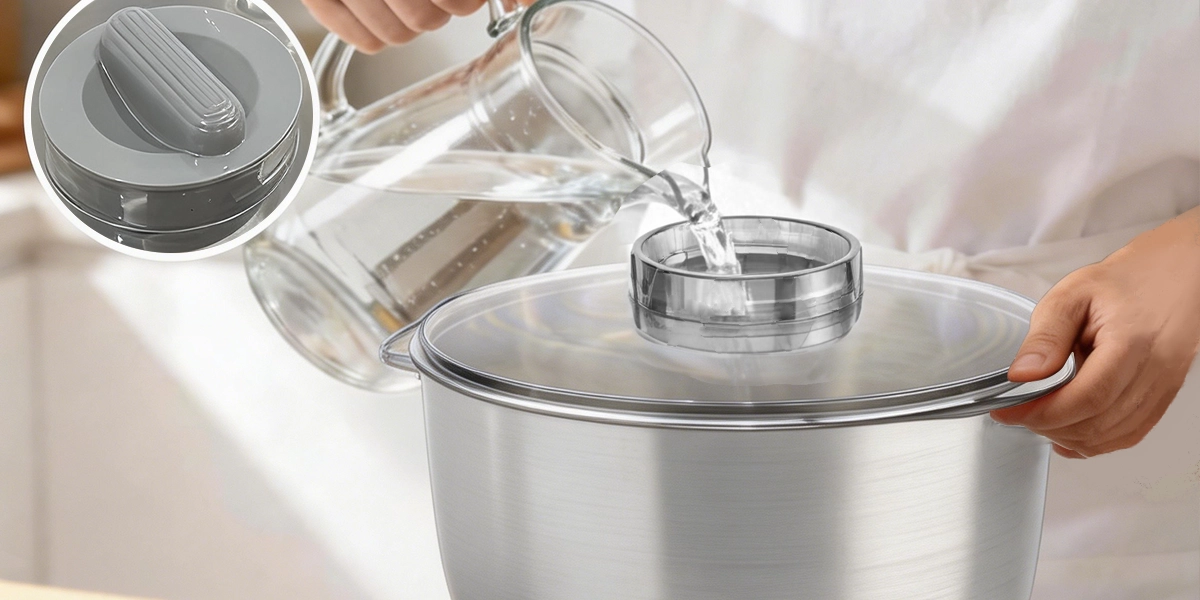
For typical families of 3 to 4 people, the 5L model is the versatile golden choice with great cost performance. This universal capacity fits most households. It kneads 2 to 3 jin of dough at once, enough for 8–12 steamed buns, multiple servings of noodles or one standard loaf of toast. It handles both small and medium dough portions evenly and develops gluten quickly for bread. Balancing practicality and energy efficiency, it rarely leads to bad buying decisions.
Large families of 5 or more people, households that host guests often or prepare bulk frozen pasta can choose the 6L–7L large-capacity mixer. It makes 3 to 5 jin of dough in a single run, preparing enough dough for a full family meal without multiple batches to save time and effort. Note that this model is only for frequent heavy-duty use. It is not recommended for occasional small dough batches, as uneven kneading is very likely to occur.
Two critical reminders to avoid pitfalls: The labeled capacity of a dough mixer refers to the total bowl volume, not the maximum dough capacity. Never fill the bowl to the top. Leave enough space for even kneading. For home use, there is no need for oversized mixers above 10L. Those are designed for commercial use, with high idle rates and poor value for household buyers.
Regarding power, VONCI recommends high-power models. While low-power mixers can function, user experience is noticeably inferior. Many users report the machine gets stuck and stops turning. This usually happens when the dough is thick from insufficient water addition. Low-power dough mixers deliver poor results if users do not follow operating guidelines.
Read the user manual carefully before operation and follow standard operating procedures. Clean the machine after every use and maintain it regularly to prevent damage.
When the machine reaches the end of its service life, dispose of it at designated recycling points in accordance with local environmental regulations.
To sum up: Small households do not overbuy large mixers, and big families should avoid undersized models. Choosing the accurate capacity helps you steer clear of failed dough batches and machine malfunctions. It also balances kitchen space and running costs, letting you enjoy easy, automatic dough kneading effortlessly.