
Does the sauce dispenser comply with food safety standards?
Sep 28,2026
9
When catering outlets, salad bars and fast-food chains purchase sauce dispensers, their top priority is no longer appearance and sauce dispensing efficiency, but food contact safety. If the materials fail to meet standards, harmful substances may migrate into sauces. This will not only result in fines from food safety inspections, but may also trigger customer complaints and bring huge risks to the brand. A question frequently raised by many overseas buyers: Does the Vonci sauce dispenser meet EU food safety standards? The answer is: Our sauce dispensers have obtained LFGB certification for EU food contact materials and satisfy requirements for food contact applications.
Many foreign trade buyers confuse various food contact certifications, often mixing up FDA, LFGB and general CE marks. CE is a general product safety mark and does not specifically represent food contact compliance. The US FDA focuses on the control of food contact materials and is accepted across the EU market. Its tests are more stringent; instead of simply testing raw material composition, it conducts tests simulating real-use scenarios.
The testing process replicates actual working conditions. All parts in direct contact with sauce, including the plastic cavity, silicone seals, pump heads and suction tubes of the dispenser, are immersed at different temperatures.
Tests focus on the leaching of heavy metals, primary aromatic amines, migration of small plastic molecules and other hazardous substances. For commercial applications such as heated cheese sauce dispensers operating continuously at 40~60°C, high temperatures accelerate material leaching, and LFGB certification specifically covers such high-temperature working conditions.
Many low-cost sauce pumps only undergo basic raw material tests without oil immersion migration testing. When holding oil-based sauces for a long time, material leaching tends to occur, and silicone seals will quickly harden and crack, leading to dripping and leakage.
Obtaining LFGB certification means all sauce-contacting components of the sauce dispenser, including the pump body, silicone valves, O-rings, suction tubes and nozzles, have been tested, rather than only some parts meeting the standards.
There is a common pitfall with many low-cost products on the market: only the main plastic body holds certification, while internal silicone seals and gaskets are untested. Seals are high-wear components that remain in constant contact with sauce oils. If the silicone material is substandard, organic acids will accelerate aging, causing continuous leaching of harmful substances. Meanwhile, seals will fail rapidly, resulting in dripping and sauce leakage. Even if the outer shell material is qualified, the whole unit will fail food safety requirements and cannot pass EU kitchen HACCP hygiene audits.
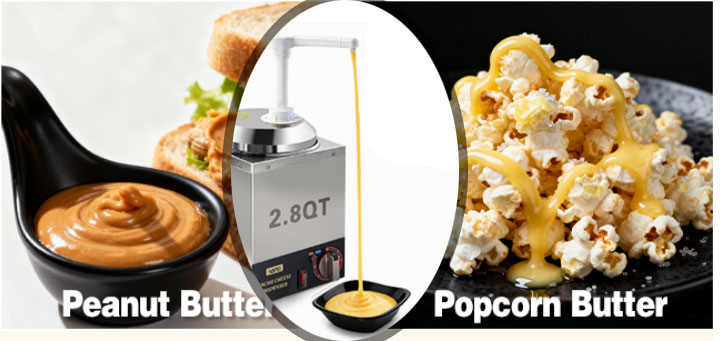
For B-end catering businesses, compliant certifications are more than just certificates; they are safeguards against operational risks. If a sauce dispenser lacks valid food contact certification, inspectors have the authority to order the equipment removed from service, and fines may be imposed in serious cases. For chain catering brands, supermarket self-service areas and salad bars, products without certifications cannot be included in approved supplier procurement lists.
Besides material safety, hygienic design is also critical. During evaluation, assessors also check whether the structure allows easy cleaning. If the equipment contains numerous non-dismantleable dead corners, sauce residues will accumulate and grow mold. Even if the material itself is qualified, microbial contamination will occur and fail EU catering hygiene requirements. Our dispenser adopts a fully detachable structure; pump heads, nozzles and seals can all be removed separately with no hidden dead corners.
Components in the kitchen can be disassembled for cleaning and high-temperature disinfection, reducing mold growth from sauce residues. It fits the HACCP catering hygiene management system and meets the two core requirements of material safety and easy sanitation.
Many buyers ask: with LFGB certification, can the dispenser be used for any type of sauce? The answer is not absolutely yes. Certification guarantees compliance at the material level, but usage practices also affect food safety. High-viscosity sauces such as cheese sauce and garlic paste tend to dry out. Without regular cleaning, residual sauce will ferment and mold inside the pump. Even with qualified materials, excessive microbes will still create food safety hazards.
For commercial use, it is recommended to disassemble and rinse pump heads after daily business hours and perform regular deep disinfection. When filling hot sauces, do not exceed the maximum operating temperature marked on the product to avoid working beyond the tested conditions.
The long-term performance gap between ordinary sauce dispensers without LFGB certification is obvious. Non-certified products swell and deform within just a few months; pump head rebound weakens and dripping becomes frequent. Plastic parts gradually absorb sauce pigments and become hard to clean, alongside hidden risks of harmful substance migration. Certified materials deliver better stability and longer service life while ensuring sauce safety.
Many exporters and catering buyers hold another misconception: that holding a certificate means permanent compliance. During actual procurement, you need to verify the product model and contact part list corresponding to the certificate, to prevent suppliers from reusing certificates from other products.
Food safety of sauce dispensers is jointly ensured by compliant materials + hygienic structure + proper maintenance. For export suppliers and overseas catering buyers, selecting sauce dispensers with complete certifications helps meet regulatory thresholds, avoid food safety risks and lay a solid foundation for the long-term stable operation of brands.