
How Often Should You Maintain a Dough Kneader?
May 28,2026
361
Many users of the VONCI dough kneader report that the device fails to start normally after being left unused for half a year. This is related to improper maintenance. When the machine is not in use for a long time, please cut off the power and store it in a dry place.
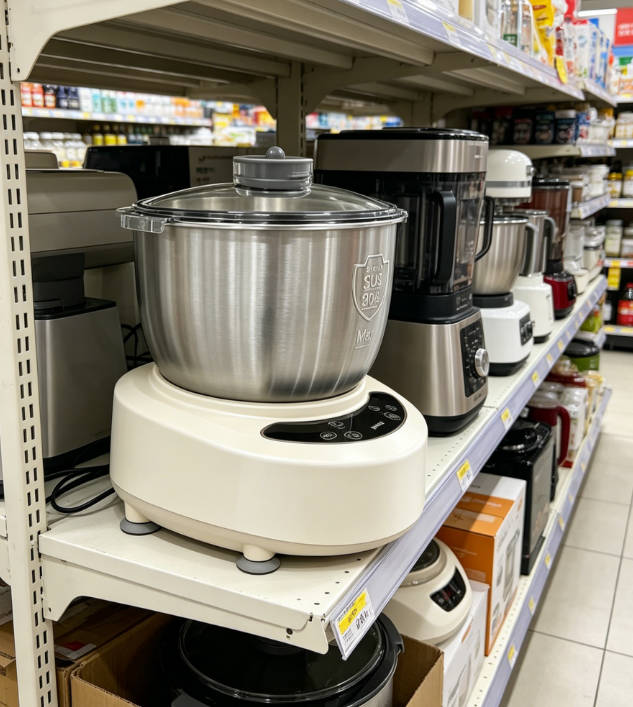
Lack of regular maintenance will lead to various malfunctions, including component aging, motor wear and seal failure, which will eventually cause the machine to break down prematurely.
A common question among users is: how often should a dough kneader be maintained? There is no one-size-fits-all schedule. Maintenance should be carried out in different levels according to usage scenarios and frequencies.
The maintenance requirements vary greatly for daily use, frequent use and long-term idling. Below is a complete maintenance schedule for household dough kneaders, covering post-use care, weekly, monthly and annual maintenance. Follow these tips to properly maintain your machine and greatly extend its service life.
First, let’s clarify the core principle. A dough kneader works alternately in dry and wet conditions. Constant exposure to flour, water and starch residues makes it more prone to dirt buildup, bacterial growth and accelerated component aging than ordinary home appliances. Routine cleaning maintains daily performance, while regular deep maintenance prolongs service life. Simply wiping the surface without scheduled maintenance is the main reason why the machine gradually deteriorates over time.
1. Basic Maintenance: Required After Each Use
This is the most fundamental yet vital maintenance step, which over 90% of users fail to do properly. No matter how long or how much dough you knead each time, complete basic cleaning right after use. This effectively prevents component aging and stubborn dirt accumulation.
After kneading, dough residues and flour crumbs will stick to the mixing hook, kneading bowl and shaft gaps. Once dried, these residues will form hard limescale that is extremely difficult to clean. In addition, prolonged contact between wet dough residues and metal or silicone parts will wear off coatings, harden seals and breed mold and bacteria.
The correct post-use maintenance process takes no more than three minutes. First, power off the machine and wait until it stops completely. Remove the mixing hook and kneading bowl, then clean them with warm water and a soft sponge. Never use steel wool or stiff brushes for scrubbing, as they will scratch the non-stick coating inside the bowl. Next, carefully clear dirt from the shaft gaps and dead corners at the bottom of the bowl with a soft brush. Finally, dry all accessories thoroughly, wipe dust and flour off the machine head with a dry cloth, and store the device in a well-ventilated area.
Important notes: Never rinse the motor part of the machine head directly, let alone submerge the whole machine in water. Water ingress into the motor is the leading cause of short circuits, malfunctions and permanent damage. Dry wiping is sufficient for daily dust removal. Proper post-use maintenance can avoid 80% of common wear and tear issues.
2. Intermediate Maintenance: Weekly Deep Cleaning
For families using the machine more than three times a week, weekly deep maintenance is a must. Regular surface cleaning cannot remove fine flour dust and slight oil stains hidden in gaps and around seals. Long-term buildup will affect operation and cause abnormal noises and jamming.
The focus of weekly maintenance is to clean dead corners and inspect accessories. Firstly, detach removable seals and fasteners, soak and clean them gently in warm water to remove old dirt hidden in gaps and prevent bacterial growth. Secondly, check the mixing hook for wear, coating peeling or deformation. A deformed or worn mixing hook will result in uneven kneading and dough slippage. Thirdly, wipe the heat dissipation holes on the machine. Dust blocking the holes will hinder heat dissipation, accelerate motor aging and shorten the service life. Fourthly, run the machine empty for 1 to 2 minutes to check for stable operation, abnormal noises and shaking, so as to detect minor problems in advance.
If you use the machine less than once a week, you may adjust the cycle to once every two weeks. The key is to keep the machine free of dust and hidden dirt.
3. Professional Maintenance: Comprehensive Monthly Servicing
Monthly comprehensive maintenance is critical to ensure the long-term stable performance of the dough kneader. It includes targeted component care and operational inspection. Many users overlook this step, leading to obvious performance degradation after one or two years of use.
First, inspect the transmission system. For models with belt drive, open the access panel every month to check the belt tension. Watch out for slackness, cracks, debris shedding and aging. A loose belt will cause slippage and insufficient power. Minor slack can be adjusted manually, while aged or damaged belts should be replaced immediately to avoid sudden breakdowns during use. For gear-driven models, frequent gear inspection is unnecessary; just clear dust around the transmission parts.
Second, maintain the sealing parts. Check the silicone seal ring on the bottom shaft of the bowl every month for hardening, deformation, discoloration, water leakage or flour leakage. Affected by constant moisture and dirt, the seal ring will gradually lose elasticity. Gaps caused by aging will let flour and water seep inside, ruining user experience and corroding internal parts. Replacing aged seal rings costs little but effectively protects the core components.
Third, carry out overall maintenance for the machine. Clean dirt off the anti-slip pads at the bottom to keep the machine stable during operation and reduce wear caused by shaking. Check the power cord for damage, aging or cracks to eliminate potential electrical hazards. Also, clean the motor heat dissipation ducts to ensure smooth heat dissipation and prevent motor damage from overheating.
4. Long-term Maintenance: Annual Full Inspection and Servicing
Regardless of usage frequency, household dough kneaders require a full deep inspection and maintenance once a year. It works like an annual physical examination for home appliances, helping you detect hidden faults and prevent sudden failures.
During annual maintenance, first inspect all wearing parts including the mixing hook, kneading bowl, seals, belts and gears. Replace all aged, worn and faulty accessories to restore the machine close to its original working condition. Next, check the motor performance. Pay attention to changes in power output and operating noise after long-term use. Troubleshoot issues such as strange noises, power loss and excessive overheating in a timely manner.
In addition, thoroughly remove accumulated dust and flour debris inside the machine. These tiny impurities will reduce transmission efficiency, speed up component wear, and even attract pests and mold over time. Finally, check whether the screws and fasteners are loose, and tighten them properly to avoid intensified wear from machine vibration.
5. Special Maintenance for Long-term Idling
Apart from regular maintenance, proper care is also essential when the dough kneader is left unused for a long time. Many families stop making pasta for seasons, leaving the machine idle for one or two months or even longer. Improper storage will damage a fully functional machine quickly.
If the machine will be idle for more than half a month, fully clean all accessories and dry them completely to prevent rust on metal parts and mold growth caused by residual moisture. Store the machine in a dry and ventilated place with a dust cover to avoid heavy dust accumulation. Before reusing it, do a simple cleaning and run it empty to confirm normal operation. It is recommended to run the machine empty for one minute every month during idle periods to prevent the transmission components from seizing up and aging due to long-term inactivity.
6. Common Maintenance Mistakes That Damage the Machine
Some users maintain their machines frequently yet make them wear out faster, simply because of wrong practices. Firstly, scrubbing the coating with hard tools will damage the non-stick layer, resulting in severe dough sticking and corrosion caused by food residues. Secondly, rinsing the machine head or soaking the whole machine in water allows water to seep into the motor and circuits and triggers short circuits. Thirdly, storing the machine before it is fully dried will trap moisture and accelerate metal rusting and silicone aging. Lastly, cleaning only the surface without inspecting belts and seals will turn minor issues into serious faults.
Maintaining a dough kneader is not complicated, but it is absolutely necessary. Follow the rule of cleaning after each use, clearing dead corners weekly, inspecting accessories monthly and conducting full maintenance annually to minimize machine wear to the greatest extent.