
Principle of Dough Fermentation in Dough Mixers and Standard Usage Guidelines
Jun 26,2026
562
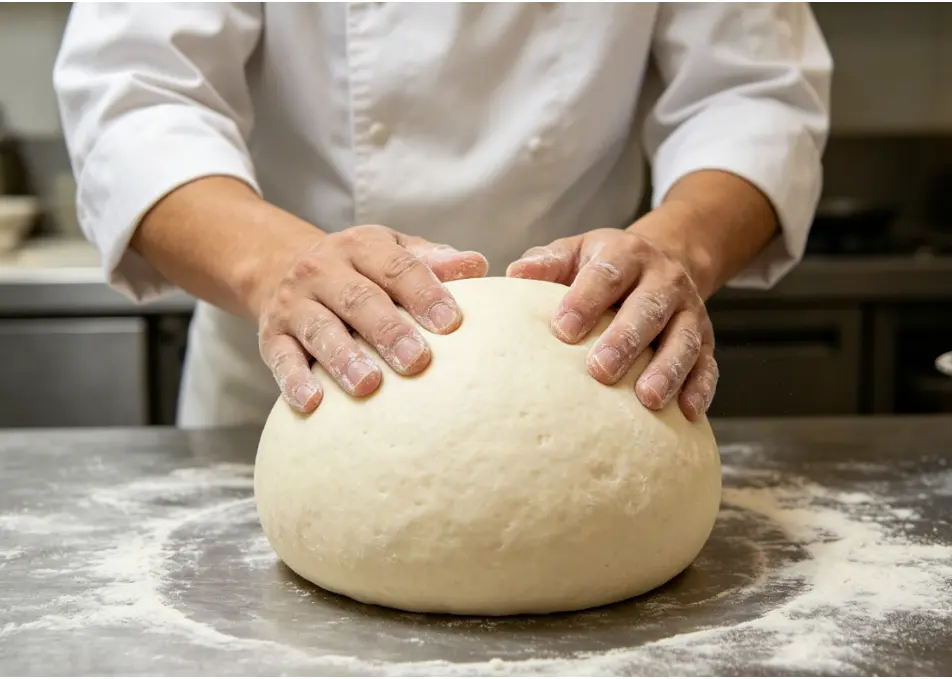
For many households in the United States, dough fermentation is a critical step that often stumps beginners. When fermenting dough manually, people frequently run into a range of issues: poor control over ambient temperature leads to either slow fermentation that leaves the dough dense and firm even after hours of waiting, or over-fermentation caused by excessive heat, which results in a sour taste, coarse texture and inferior mouthfeel of finished baked goods. Meanwhile, manual fermentation makes it hard to regulate humidity and sealing, so the dough surface tends to dry out and crack, with uneven fermentation that creates a mix of fluffy and dense sections. For those with little experience in dough making, relying solely on intuition and hands-on feel leaves very little margin for error. Repeated failures not only waste ingredients but also greatly diminish the enjoyment of homemade dough products, making this the core pain point for most home bakers.
Advantages of the Fermentation Function of Smart Dough Mixers
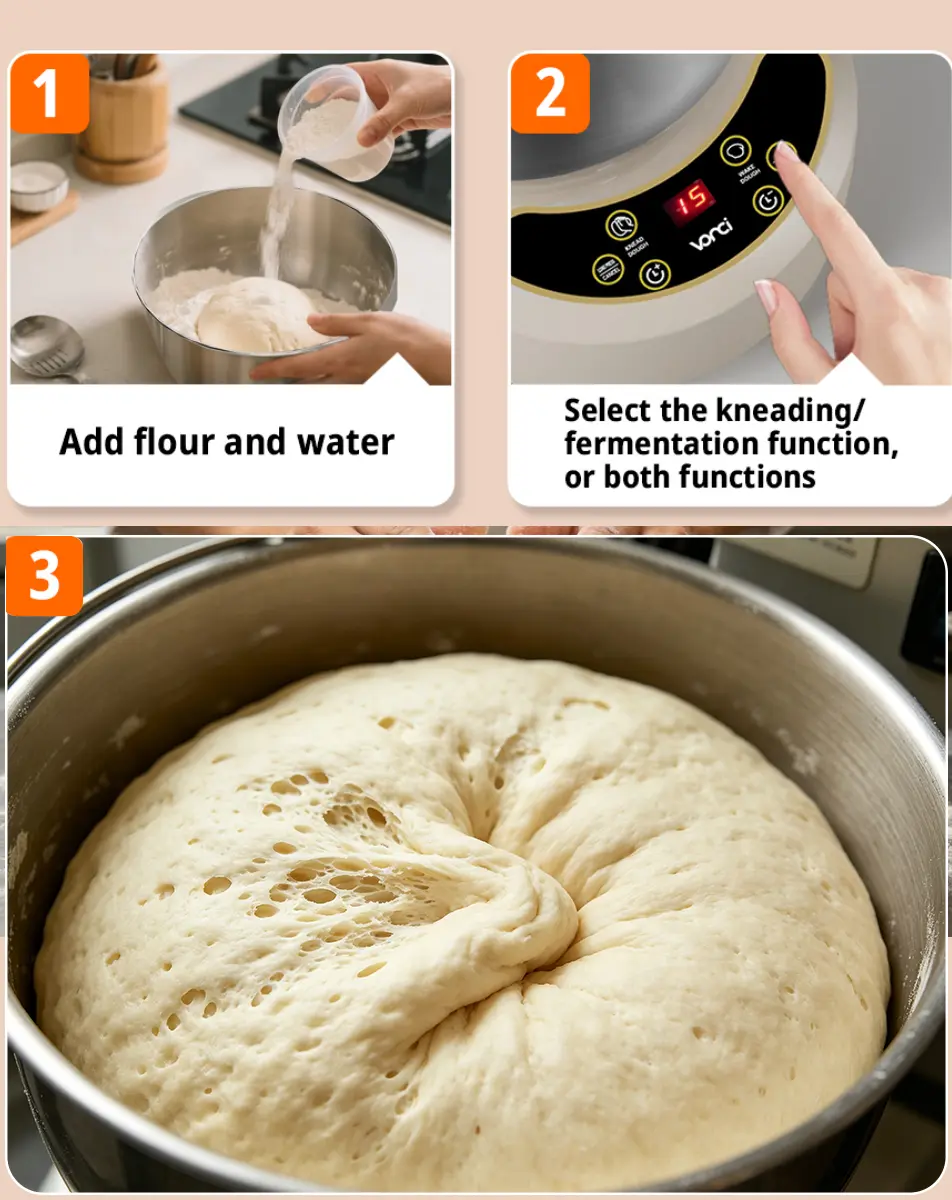
The built-in fermentation function of the VONCI smart dough mixer perfectly addresses the drawbacks of manual fermentation, bringing great convenience to homemade dough preparation. Unlike manual fermentation that relies on experience to adjust the environment, the dough mixer enables standardized fermentation with constant temperature and humidity, running fully automatically without constant manual supervision. The unit can precisely maintain the optimal temperature and humidity required for dough fermentation, completely free from the constraints of seasons and room temperature. It delivers stable fermentation results whether in cold winters or dry spring and autumn days. Meanwhile, the integrated design of kneading and fermentation allows users to start fermentation mode right after kneading is complete, reducing temperature loss and contamination risks from transferring the dough. The fermented dough turns out evenly fluffy with fine pores, greatly improving the taste of finished products and lowering the barrier to homemade dough making.
Core Principle of Dough Fermentation in Dough Mixers
To make the most of the dough mixer’s fermentation function, it is essential to first understand the core principle of dough fermentation, which is essentially the biological metabolic reaction of yeast. The main ingredients of dough are flour, water, yeast and a small amount of sugar. Active dry yeast, the core agent of fermentation, is a single-celled microorganism. Under suitable conditions of temperature, humidity and moisture, yeast is fully activated and feeds on starch and sugar in the flour to carry out dual metabolic activities: aerobic respiration and anaerobic fermentation.
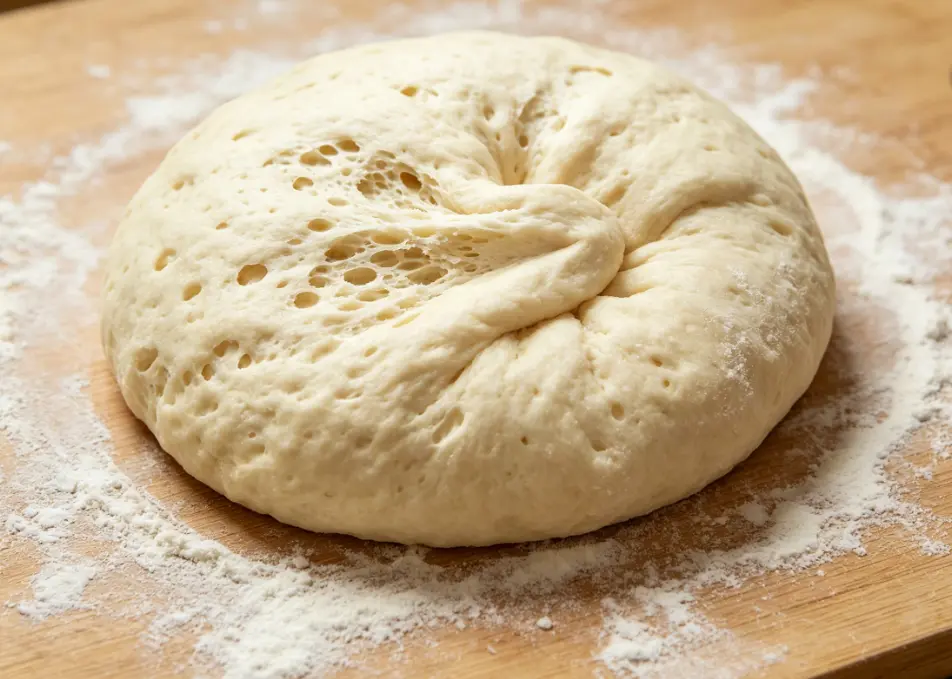
In the initial stage of fermentation, with sufficient oxygen inside the dough, yeast mainly performs aerobic respiration to reproduce rapidly and activate a large number of active colonies, laying the foundation for subsequent fermentation. As the reaction proceeds and oxygen inside the dough is depleted, yeast switches to anaerobic fermentation, breaking down carbohydrates in the flour to produce carbon dioxide gas, trace amounts of alcohol and organic acids. The carbon dioxide is tightly trapped by the gluten network in the dough and cannot escape, forming countless fine pores inside the originally compact dough and making the dough expand continuously in volume. This is the fundamental reason why dough becomes fluffy and rises. The core function of the dough mixer is to precisely replicate the optimal living and metabolic environment for yeast.
The drawback of manual fermentation lies in unstable environmental parameters, while the dough mixer stabilizes the environment within the optimal activity range of yeast through its temperature and humidity control systems. The optimal fermentation temperature for yeast is 28℃ to 35℃; within this range, yeast has the strongest activity, stable metabolic rate and the highest fermentation efficiency. When the temperature drops below 20℃, yeast activity decreases significantly and fermentation stagnates; when it exceeds 40℃, yeast is inactivated and the dough turns sour. Meanwhile, the sealed chamber of the dough mixer maintains constant humidity, preventing moisture loss and surface cracking of the dough, ensuring stable yeast metabolism throughout the process and achieving uniform, sufficient fermentation.
How to Maximize the Fermentation Effect of Your Dough Mixer
Once you master the principle, standardized operation is the key to ensuring ideal fermentation results. First is ingredient proportioning: add yeast according to the standard ratio, with 3–5 grams of yeast for 500 grams of flour. A small amount of sugar can be added to promote yeast activation, and the water temperature should be controlled at around 30℃ to avoid cold water inhibiting yeast activity or hot water killing the yeast.
Second is the operation process. After kneading is complete, there is no need to take out the dough. Simply close the lid of the dough mixer and activate the dedicated fermentation mode. The machine will automatically maintain constant temperature and humidity for fermentation. For regular dough, fermentation time should be controlled at 40–60 minutes, until the dough doubles in original volume. Finally, after fermentation, manually degas the dough to knead out large air pores inside, and proceed with steaming, boiling or baking after a second proofing.
When using a dough mixer to ferment dough, there are also several precautions to note:
First, never start fermentation at an excessively high temperature. The dough temperature rises after kneading, so let it rest for a while before activating the fermentation mode to prevent high temperature from inactivating the yeast.
Second, do not open the lid frequently during fermentation. Frequent opening will cause loss of internal temperature and humidity, leading to uneven fermentation and dough collapse.
Third, avoid over-fermentation. Over-time fermentation will produce a large amount of sourness in the dough and reduce gluten toughness, resulting in sour, dry and shrunken finished products. Fourth, clean the chamber of the machine promptly after use to prevent residual dough crumbs from breeding bacteria and affecting the fermentation effect of subsequent batches.
In summary, dough mixer fermentation relies on precise environmental control technology to enable yeast to complete a stable biological fermentation process, standardizing and simplifying the traditional experience-dependent dough making steps. Mastering its fermentation principle and usage specifications can not only thoroughly solve various problems of manual fermentation, but also easily make fluffy, soft and delicate homemade dough products, making home baking efficient and hassle-free.