


Hummus, Pesto, Cashew Cheese – All Made in Your Blender
May 27,2026
257
Three homemade spreads that taste better than store-bought, cost less, and have no hidden ingredients
Do you have a blender sitting on your kitchen counter? Maybe you use it for smoothies. Maybe you use it for soup. But did you know that the same machine can make three of the most delicious and versatile spreads you'll ever eat?
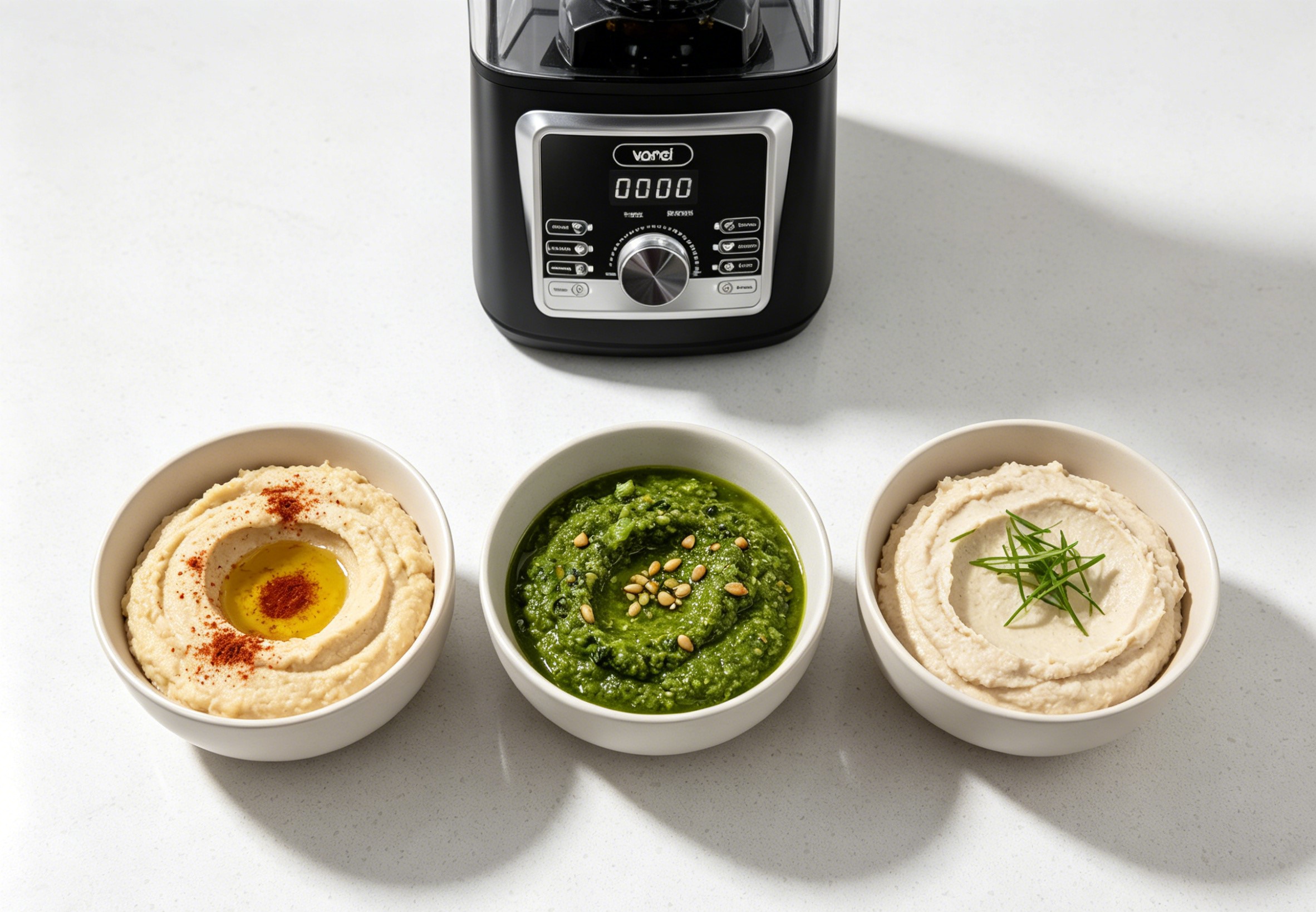
Here's the truth: store-bought hummus, pesto, and cashew cheese are expensive. A small tub of hummus costs $4 to $6. A jar of pesto? $5 to $8. And cashew cheese – if you can even find it – can run you $10 or more.
But that's not the worst part. Flip the container over and read the ingredients. You'll find preservatives, gums, excess salt, and things you can't pronounce.
The good news? Your blender can solve all of this. In less than 30 minutes, you can make all three spreads at home. They will taste fresher. They will be cheaper. And you will know exactly what's inside.
Let me show you how.
1. Classic Hummus
Let's start with the easiest one: hummus. It's a Mediterranean classic made from chickpeas, tahini, lemon, garlic, and olive oil. When you make it at home, the texture is unbelievably smooth – nothing like the grainy stuff from the store.
What you need
1 can of chickpeas (15 oz / 425g), drained and rinsed
1/4 cup tahini (sesame paste)
2 tablespoons lemon juice
1 small garlic clove
1/2 teaspoon salt
3 to 4 tablespoons cold water
2 tablespoons olive oil
The secret to creamy hummus
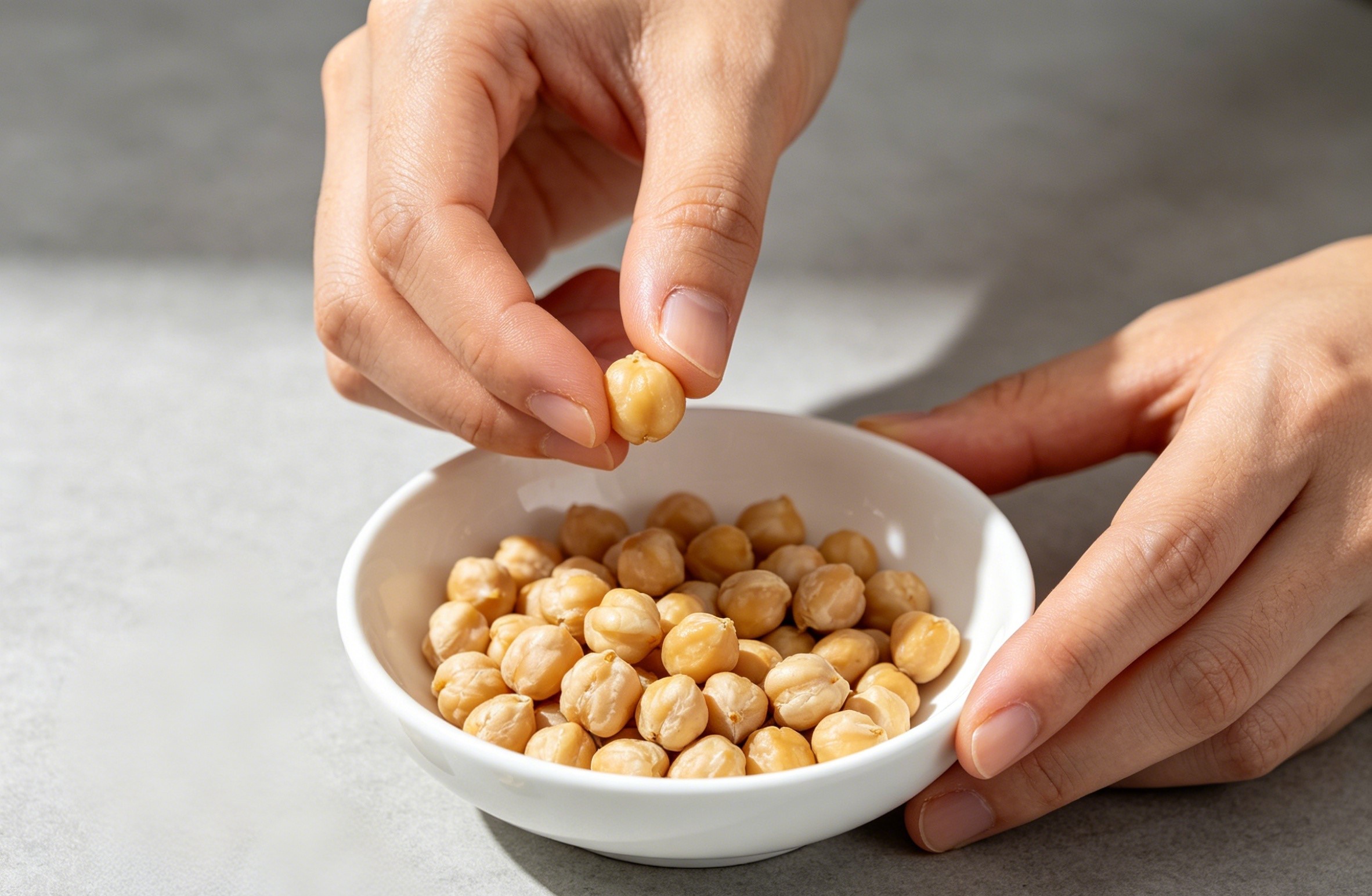
Most people just dump everything into the blender and turn it on. That works, but it won't give you the silky smooth texture you want from a good hummus. Here's the trick: remove the skins from the chickpeas.
Yes, it takes an extra 5 minutes. But those skins are what make hummus taste grainy. Here's how to do it quickly: after rinsing the chickpeas, pinch each one between your fingers. The skin will slip right off. Toss the skins away and keep the chickpeas.
Instructions
Put the skinned chickpeas, tahini, lemon juice, garlic, and salt into your blender.
Blend on medium speed. The mixture will look thick and crumbly at first – that's normal.
With the blender running, slowly add the cold water through the lid opening. Add just enough until the mixture starts to come together into a smooth paste.
Stop the blender and scrape down the sides with a spatula.
Blend again, adding more water one tablespoon at a time if needed. You want a texture that is thick but spoonable – like a creamy dip, not a runny sauce.
Once it's smooth, drizzle in the olive oil and give it one quick pulse.
How to serve
Pour the hummus into a bowl. Make a small well in the center with the back of a spoon. Pour a little more olive oil into the well. Sprinkle with paprika or chopped parsley if you have it. Serve with warm pita bread, raw vegetables, or spread it on sandwiches.
2. Fresh Pesto
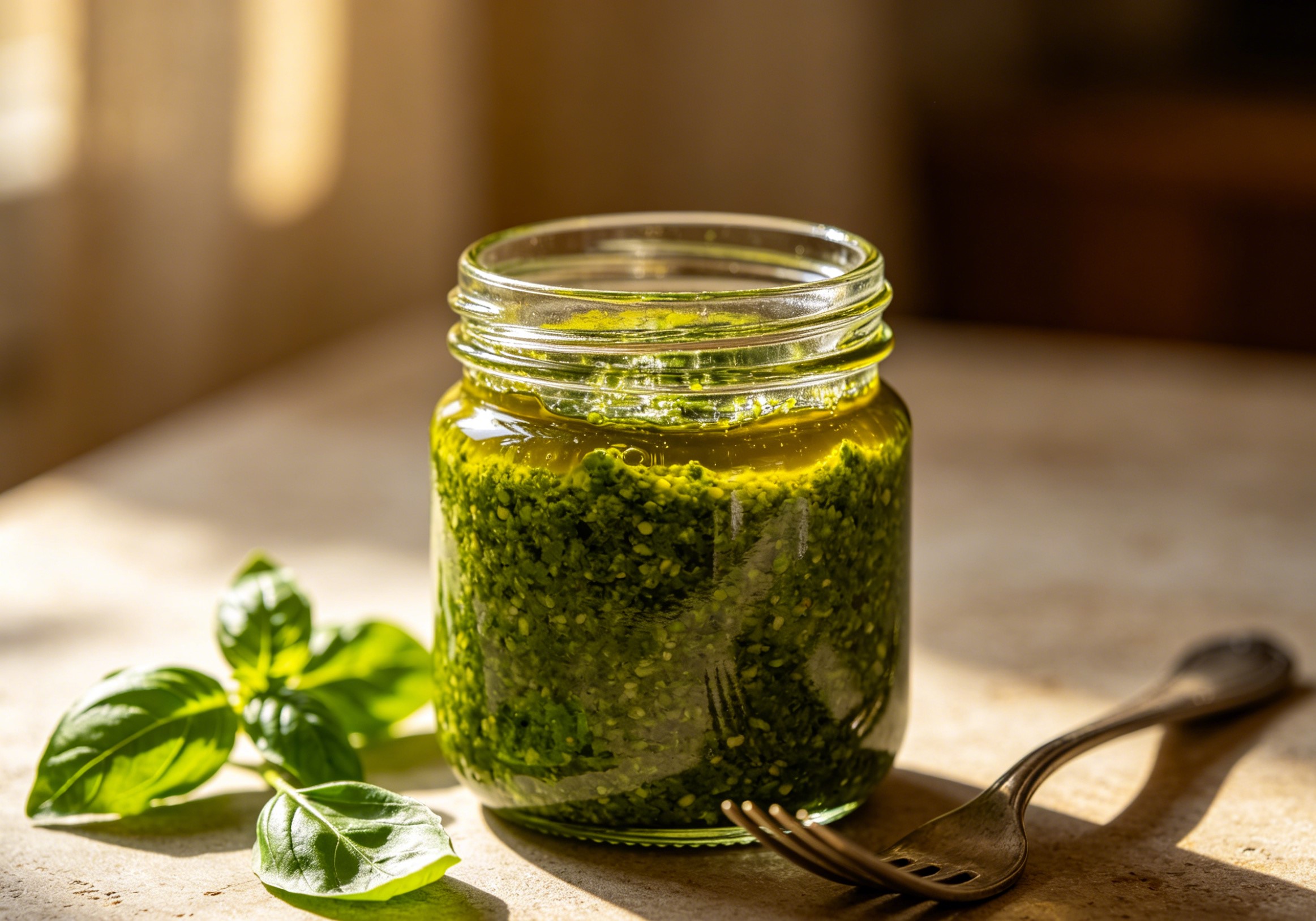
Next up: pesto. This Italian sauce is incredibly simple – just basil, pine nuts, garlic, Parmesan cheese, and olive oil. But store-bought pesto often uses cheaper oils, less basil, and additives to keep it green. Homemade pesto is a completely different experience.
What you need
2 cups fresh basil leaves, packed
1/3 cup pine nuts
2 small garlic cloves
1/2 cup grated Parmesan cheese
1/2 cup olive oil
1/4 teaspoon salt
A note about pine nuts
Pine nuts are expensive. If you want to save money, you can substitute walnuts or almonds. The flavor will be slightly different, but still delicious. Just toast them lightly in a dry pan for 3 to 4 minutes first – it brings out their oils and adds depth to your pesto.
Instructions
Put the pine nuts, garlic, and salt into your blender. Pulse a few times to break them down.
Add the basil leaves. Don't worry about packing them in – your blender can handle it.
Add half of the olive oil and all of the Parmesan cheese.
Blend on low speed, using the tamper tool if your blender has one. Pesto is thick, so you'll need to help it move around.
With the blender running, slowly pour in the remaining olive oil.
Stop when the pesto is combined but still has a little texture. Unlike hummus, pesto should not be completely smooth. You want tiny specks of green and white from the basil and cheese.
Taste and add more salt if needed.
How to store and use
Pesto turns brown when exposed to air because the basil oxidizes. To keep it green, pour a thin layer of olive oil on top before putting the lid on your storage container. This seals out the air.
Use pesto on pasta (just toss it with hot noodles), spread it on sandwiches instead of mayo, drizzle it over roasted vegetables, or use it as a pizza sauce.
3. Cashew Cheese
The last one might be new to you. Cashew cheese is a dairy-free alternative to cream cheese or soft cheese. It's popular among vegans and people who avoid dairy, but honestly, anyone who likes cheese should try it. It's creamy, tangy, and completely addictive.
What you need
1 cup raw cashews
1/4 cup water
2 tablespoons nutritional yeast
1 tablespoon lemon juice
1/2 teaspoon salt
1 small garlic clove (optional)
Important: soak the cashews first
Unlike hummus and pesto, which you can make immediately, cashew cheese requires a little planning. You need to soak the raw cashews in water for at least 4 hours – or overnight. This softens them so your blender can turn them into a silky smooth cheese.
If you forgot to soak them, here's a quick fix: cover the cashews with boiling water and let them sit for 30 minutes. It's not as good as a long soak, but it works in a pinch.
Instructions
Drain and rinse the soaked cashews. They should feel soft and slightly puffy.
Put the cashews, water, nutritional yeast, lemon juice, salt, and garlic (if using) into your blender.
Blend on high speed. At first, it will look like a thick paste. Keep going.
After 30 to 60 seconds, the mixture will suddenly transform into a smooth, creamy cheese. You'll see it start to swirl freely in the blender.
Stop and scrape down the sides. Blend again for 10 seconds to make sure everything is incorporated.
How to use and customize
This basic cashew cheese is a blank canvas. Here are a few ways to change it up:
Herbed cashew cheese: Add fresh dill, chives, or rosemary before blending.
Spicy cashew cheese: Add a pinch of cayenne pepper or smoked paprika.
Sun-dried tomato cashew cheese: Add two or three sun-dried tomatoes.
Use it as a spread on bagels, a dip for vegetable sticks, a topping for baked potatoes, or a filling for stuffed mushrooms.
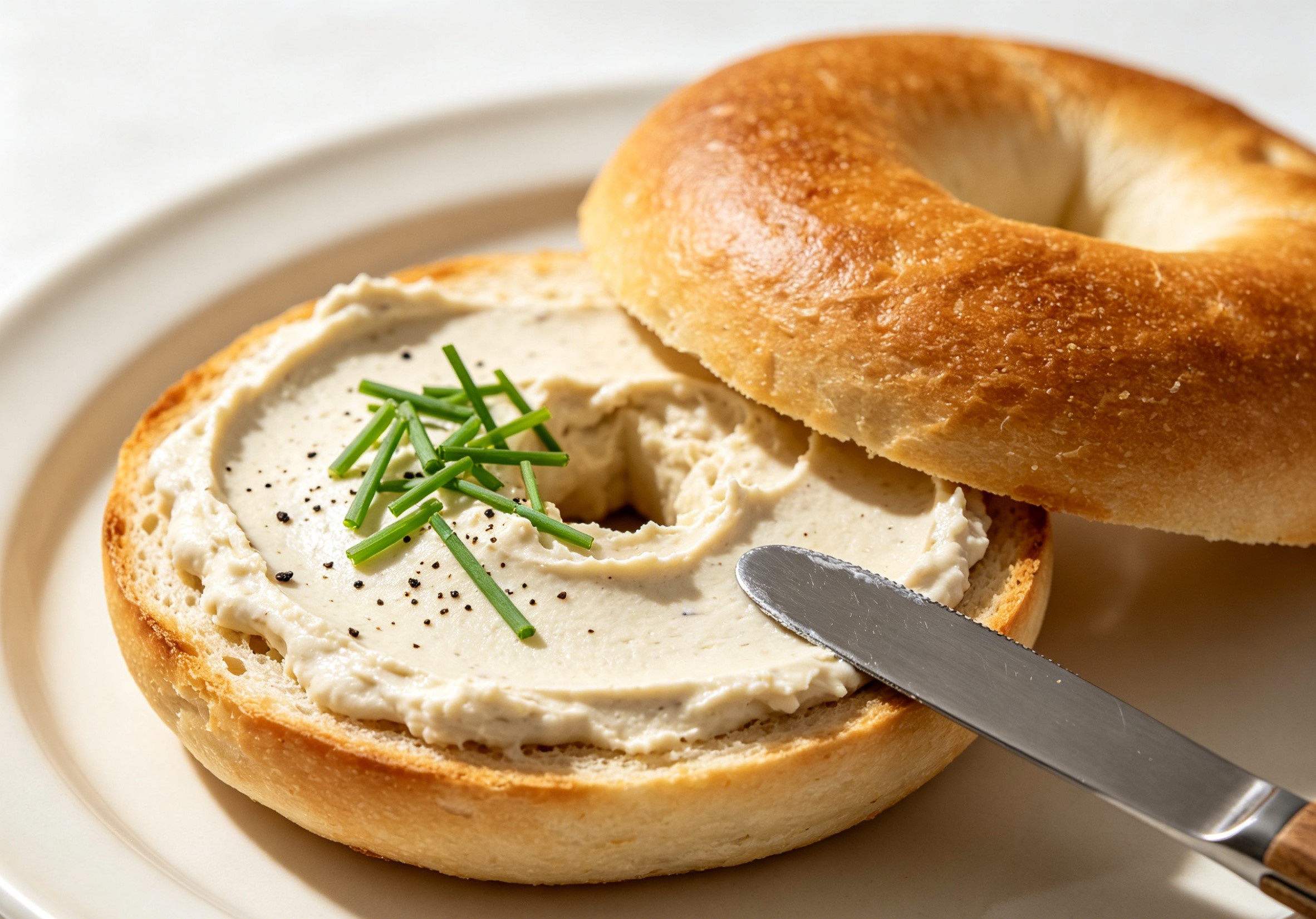
Cashew cheese will keep in the refrigerator for about 5 to 7 days in a sealed container.
What You Save (And Why It Matters)
Let's do the math on what you saved.
| Item | Store-Bought | Homemade |
|---|---|---|
| Hummus (standard tub) | $5.00 | $1.50 |
| Pesto (jar) | $6.00 | $2.50 |
| Cashew Cheese | $10.00 | $3.00 |
| Total | $21.00 | $7.00 |
That's $14 saved on just these three items. Make them twice a month, and you're saving over $330 a year.
But the savings aren't really the point. The point is that you're eating real food. No preservatives. No gums. No ingredients that sound like they belong in a chemistry lab. Just chickpeas, basil, cashews, olive oil, and a few other simple things you can pronounce.
Final Thoughts
Your blender is capable of so much more than smoothies and soups. It's a hummus factory. A pesto studio. A cheese maker. All in one machine.
So open that cupboard, pull out your blender, and start making something delicious. Your taste buds – and your wallet – will thank you.